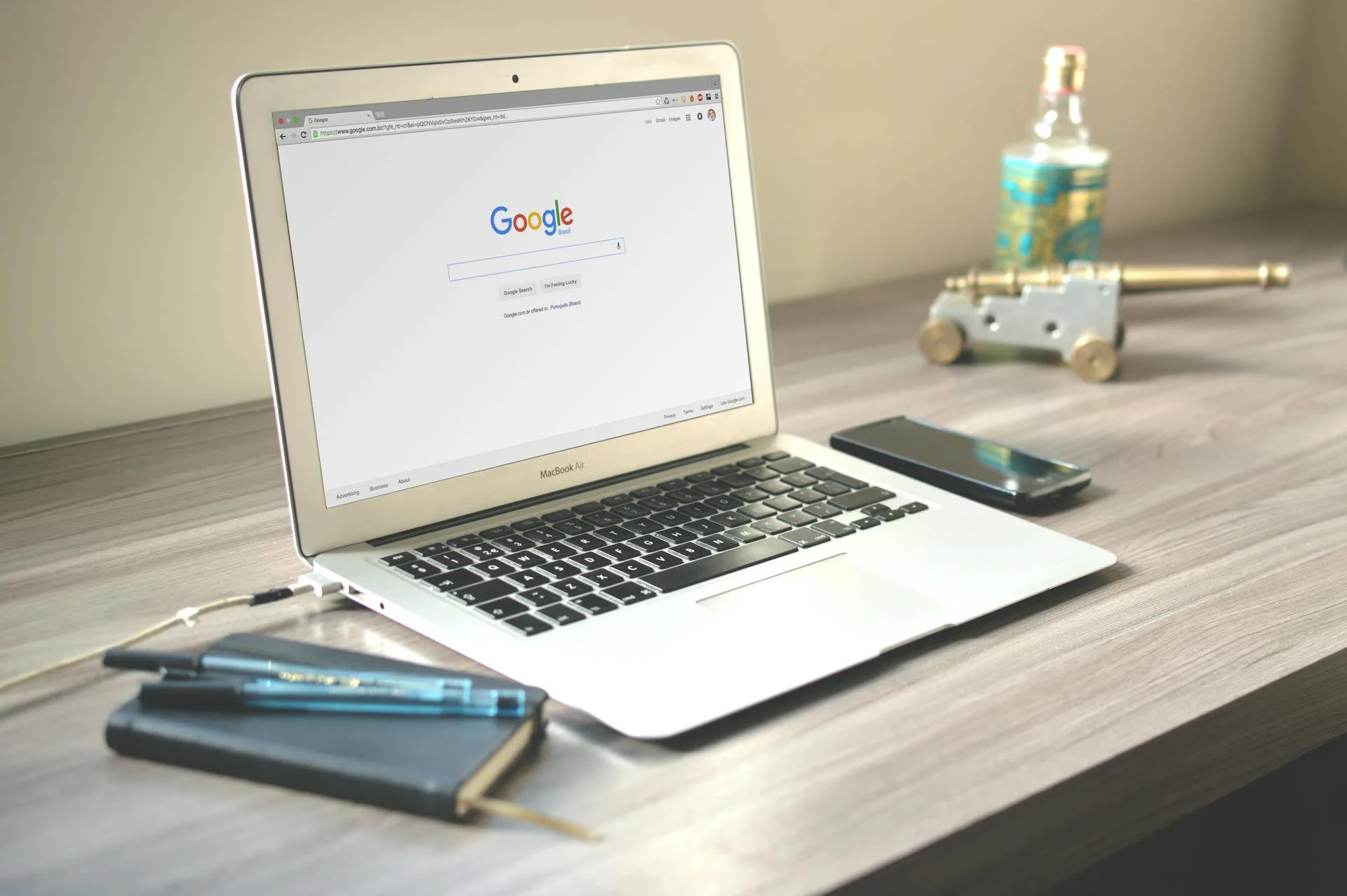
If someone searches for your type of business in your town right now, do you show up? If you're not sure - or if you know the answer is no - you're not alone. The majority of New Zealand small businesses have little or no presence on Google.
The good news: getting found locally isn't as complicated or expensive as most people think. This guide covers the essentials in plain language.
1. Start With Google Business Profile
This is the single most impactful thing you can do. A Google Business Profile (GBP) - the listing that appears in Google Maps and the local results panel - is completely free and often ranks above regular websites for local searches.
To set one up:
- Go to business.google.com
- Search for your business name
- Claim it (if it already exists) or create a new listing
- Verify your address (Google sends a postcard or verification code)
Once verified, fill out every field: business category, hours, phone number, website, services, photos. Businesses with complete profiles get significantly more clicks than incomplete ones.
Add at least 10 real photos to your GBP listing - exterior, interior, team, products. Photos dramatically increase click-through rates. Google actively promotes listings with strong photo libraries.
2. Get Reviews - Consistently
Google reviews do two things: they directly improve your local ranking, and they convert searchers into customers. A business with 40 reviews at 4.8 stars will almost always outrank one with 5 reviews at 5 stars.
The best strategy:
- Ask every happy customer to leave a review - in person, by text, or by email
- Make it easy: send them a direct link to your GBP review form
- Aim for consistent new reviews over time, not a single burst
- Respond to every review - positive and negative - professionally
Don't buy reviews or ask friends to post fake ones. Google detects and penalises this.
3. Your Website Matters More Than You Think
Google's local ranking algorithm considers your website's quality when deciding who to show in Maps results. A slow, outdated, or non-mobile-friendly website actively hurts your local ranking.
The fundamentals your website needs:
- Mobile-friendly design - over 60% of searches are on phones
- Fast load time - if your page takes more than 3 seconds to load, most visitors leave
- HTTPS (padlock icon) - required by Google for good ranking
- Your business name, address, and phone number - must match your GBP listing exactly
- Clear description of your services - use the words your customers actually search for
Search Google for "website speed test" and run your site through Google's PageSpeed Insights tool. It gives you a score out of 100 and specific recommendations. Below 60 on mobile is a red flag that needs attention.
4. Use the Right Keywords
Keywords are the phrases people type into Google when looking for businesses like yours. The most valuable are local keywords - phrases that include your suburb, city, or region.
For example, instead of just "electrician", optimise for:
- "electrician Auckland"
- "electrician Ponsonby"
- "emergency electrician Auckland"
- "residential electrician West Auckland"
Use these phrases naturally in your website's page titles, headings, and body text. Don't stuff them in awkwardly - write for humans first, Google second.
5. Build Local Citations
A "citation" is any online mention of your business name, address, and phone number. Google cross-references citations to verify that your business is legitimate and where you say it is.
Key NZ directories to get listed on:
- Yellow Pages NZ (yellow.co.nz)
- Finda (finda.co.nz)
- NoCowboys (for trades)
- Localist.co.nz
- Your industry association's directory
- Facebook Business Page
- LinkedIn Company Page
Critical: make sure your business name, address, and phone number are identical across all listings. Even small differences (like "St" vs "Street") confuse Google's algorithms.
6. Create Genuinely Useful Content
Google rewards websites that provide real value to visitors. A trades business that publishes an article like "How to check if your hot water cylinder needs replacing" is more likely to rank well than one with a bare-bones site.
You don't need to publish constantly. Even 4–6 quality articles per year - answering the questions your customers actually ask - can make a significant difference to your visibility.
Ideas for NZ small business content:
- "How to choose a [your trade/service] in Auckland"
- "What does [your service] typically cost in New Zealand?"
- "5 signs you need a [your service] urgently"
- "Questions to ask before hiring a [your trade]"
7. Be Patient - and Consistent
SEO takes time. Most businesses start seeing meaningful movement in 3–6 months, with stronger results at 12 months. Anything that promises overnight results is either misleading you or using tactics that will hurt you later.
The businesses that win on Google long-term are those that:
- Maintain a well-built, fast, mobile-friendly website
- Keep their Google Business Profile updated
- Collect reviews consistently
- Publish helpful content occasionally
- Build their online reputation gradually
Need Help Getting Found?
At Claristone, we build websites that are engineered to rank well locally - fast, mobile-first, and with all the technical SEO foundations in place. We also offer ongoing SEO and Google Ads management for businesses that want to accelerate their growth.
Get in touch for a free website audit and SEO consultation →